

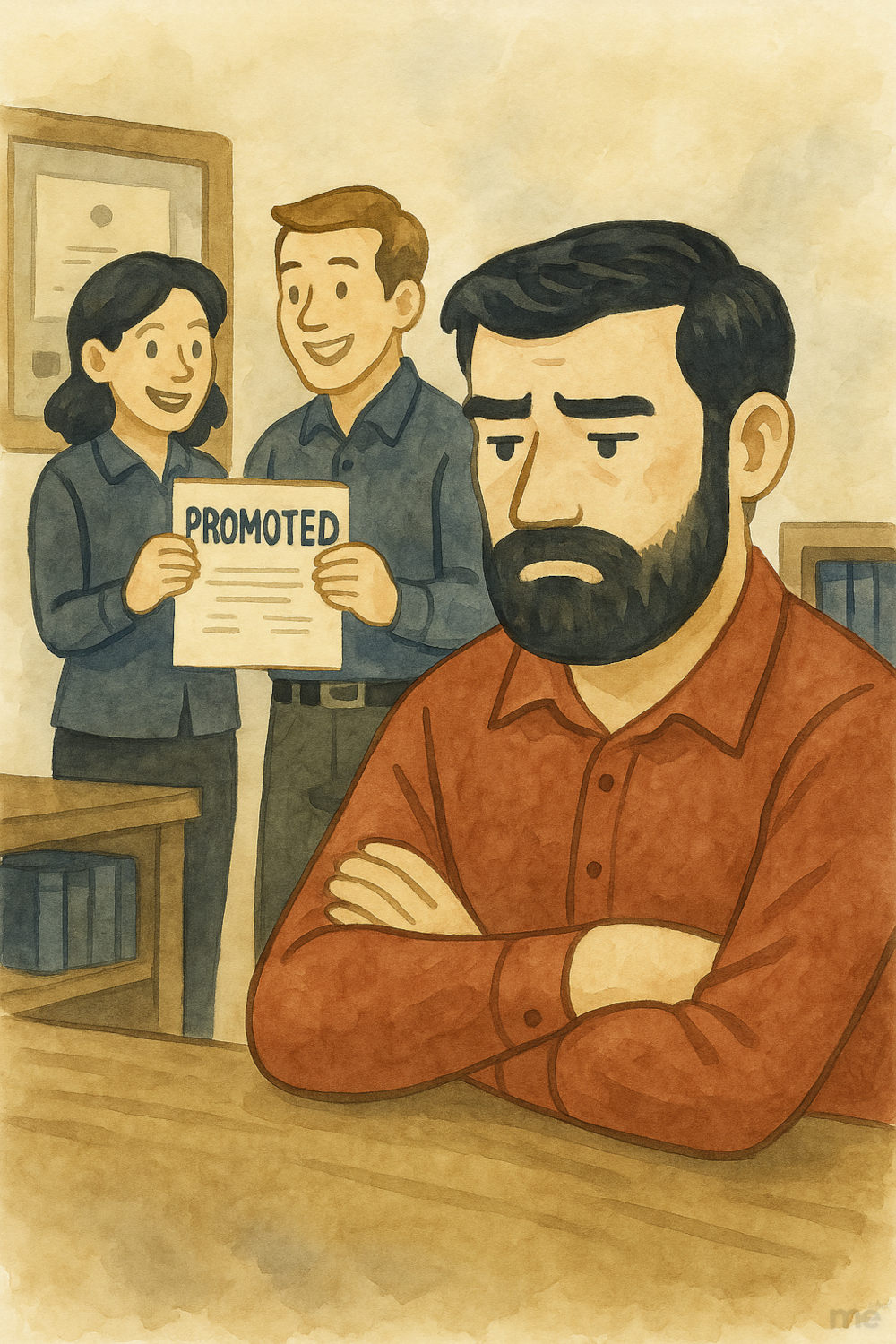
If you work in a corporate environment, chances are you’ve fallen into the trap of comparing yourself to others. We’ve all done it. Maybe it’s the coworker who got the promotion you wanted. Or the manager who seems to coast through the day. Then there’s the executive who always projects effortless success. When the people around us seem to be advancing, it becomes tempting to measure our own progress against theirs. So much of this comparison is painful, but we feel compelled to do it. Have you ever wondered, why do I compare myself to others?
Comparison is a natural human trait, but it’s not a very helpful one, especially at work. When you judge yourself by the goals and achievements of others, you lose your sense of direction. Instead of building your career based on your own values, you end up chasing a moving target. I know, because I struggled with this exact problem.
Eventually, I hit a breaking point. I was worn down by the constant pressure—the sense of never being good enough, the grind of hollow, cynical days. Something had to change. I had to stop comparing myself to others at work.
In this article, I’ll share a moment when comparison at work overwhelmed me, and how I started to shift my perspective. Why do I keep comparing myself to others? That question sat under so many of my daily thoughts, and I didn’t realize it until much later. If you’re stuck in the same cycle, maybe my story will help you see your own path more clearly.
The Day Comparison Took Over
During my time as a deep space contractor, I worked alongside some of the most brilliant people I’ve ever met—managers, technical leaders, engineers—people with such precision and depth they could predict spacecraft behavior in real time.
One of our technical managers embodied this brilliance. A genius by any definition, she had deep knowledge across multiple spacecraft and mission operations—so much that even the sharpest engineers second-guessed themselves. She was also patient and kind, always meeting people at their level and helping them rise if they were willing to learn.
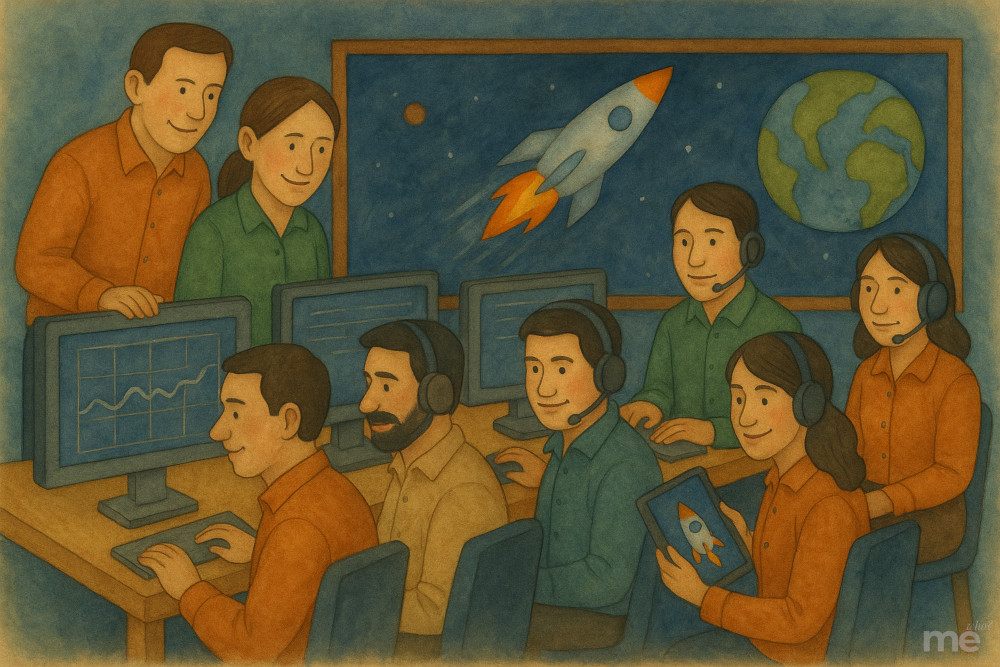
I remember one particular day when an instrument onboard the spacecraft malfunctioned. The room exploded into action. I was still a new engineer on the project, and the experience was overwhelming. Around me, experienced teammates dove into data packets, downlink streams, and telemetry systems while I struggled to stay afloat.
As I watched this manager dissect the problem—effortlessly connecting the dots, asking the right questions, and pinpointing the failure—I felt small. I was frozen, intimidated, and sure I could never reach that level of expertise.
Maybe you’ve felt that too—watching someone else’s mastery and feeling like you’re miles behind, with no clear way to catch up. That was comparison anxiety at full force.
What Comparison Was Really Costing Me
I spent years learning under this manager. I saw others react to her brilliance the same way I did. Some checked out, assuming their input wasn’t valuable. Others shrank back despite her encouragement. Even when she offered support with patience and grace, many of us stayed trapped in our own self-doubt.
Over time, I learned to ask questions and show vulnerability. Even when my ideas felt obvious or naive, I brought them up. And when I didn’t understand something, I admitted it—not to broadcast incompetence, but to build a real foundation of growth.
Looking back, it’s clear to me now: comparison had a heavy cost. It kept me silent when I had something to offer. I second-guessed myself whenever new challenges came up. Over time, the progress I was making faded from view, until I could barely recognize it at all.
If you’ve ever wondered why you shouldn’t compare yourself to others, it’s because it pulls your focus from what you can actually influence. You lose sight of the skills you’re building, the small wins you’ve earned, and the next steps that are uniquely yours. Instead of moving forward on your own path, you end up chasing someone else’s story and overlooking the progress already unfolding in your own life.

How I Started to Shift My Perspective
When that manager went on leave during a critical phase of the mission, everything shifted—the safety net I’d relied on for years was suddenly gone. Panic set in immediately. I wanted to lean on her expertise, but she wasn’t there. I had to build new habits fast:
- Reach out to colleagues: I made a point to collaborate more openly and lean on the experience around me, instead of going it alone.
- Dig into technical documentation: I taught myself to read primary sources, not just rely on summaries.
- Leverage existing tools: I used and improved the systems others had built instead of reinventing the wheel.
- Seek outside motivation strategically: I curated motivational content that addressed the fears that were actually holding me back.
- Remember it wasn’t all on me: Complex missions succeed through teams, not solo acts.
One habit at a time, I started replacing external comparison with internal resourcefulness. It wasn’t easy, and it wasn’t instant. It was real.
Comparison isn’t always about self-doubt. Sometimes it’s just a reflex: a familiar pattern of looking outward instead of inward. Sometimes it’s your inner voice quietly nudging you, saying maybe it’s time to stop comparing myself to others. The good news is, you can shift it. You can start training yourself to notice your own progress instead of chasing someone else’s.

What Changed When I Let Go of the Comparison Game
Comparison didn’t vanish overnight. When I stopped measuring my worth against others’ achievements, something subtle and powerful happened. Several years into the mission, I could feel the shift. I could anticipate spacecraft behavior intuitively. Diagnosing problems from a few lines of telemetry had become second nature. To newcomers, my experience must have looked effortless—just like my mentor’s once seemed to me.
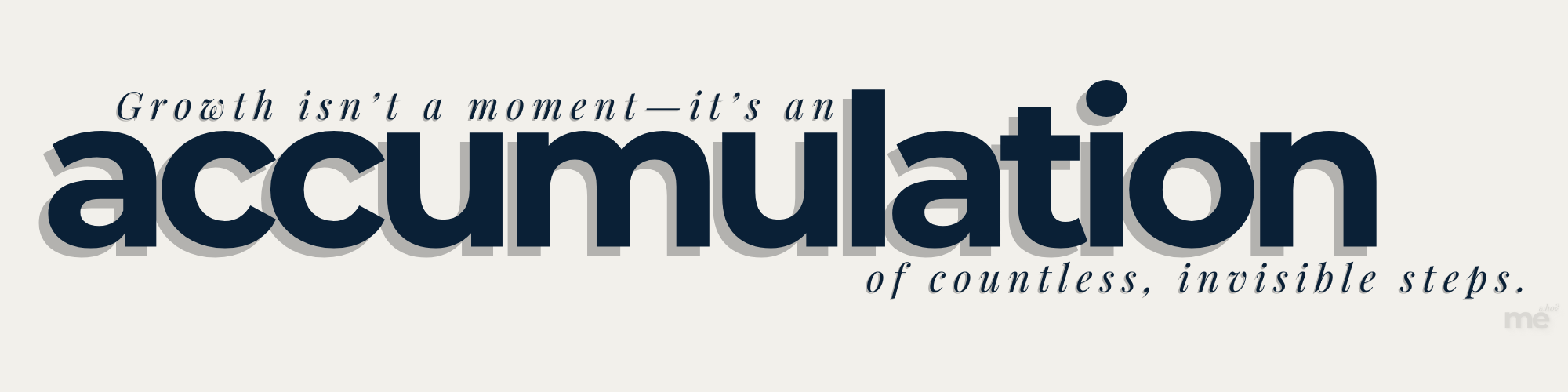
That’s the trap comparison sets: it hides the story behind skill. To a toddler, driving looks like magic. Fifteen years later, it’s second nature. Growth isn’t a single moment—it’s an accumulation of countless, invisible steps.
That brilliant manager and I weren’t fundamentally different. We just stood at different points along the path. When I let go of the comparison, I was finally able to see my own way through.
Conclusion
If you’re drowning in comparison right now, you’re not alone. Everyone you admire has been there too. They simply kept moving forward. Instead of measuring yourself against someone else’s polished snapshot, decide who you want to become. Measure yourself against that vision.
Why is comparing yourself to others unproductive? It’s this: it steals your ability to see your own story unfolding. Start comparing yourself to who you were yesterday. Trust that if you keep going, you’ll become someone incredible too. I hope this story doesn’t just show where I’ve been, but helps you find your own way forward too.
Still Feeling Stuck?
If comparison leaves you feeling like you’ll never measure up—no matter how hard you try—there may be more going on beneath the surface. Our guide on Imposter Syndrome at Work explores how to shift the belief that everyone else is doing better and exposes why that story is rarely true.
gvobts
905xse
oxd9i6