

Have you royally screwed up at work? Did you find this article while frantically Googling I feel like a failure at work? Are you trying to find proof that not only are you not a failure, but that you might even be silly for thinking that way? You’re in the right place.
No matter how big the mistake, how ridiculous your manager’s expectations, or how polished your coworkers seem on the outside, you’re not a failure. In fact, the ones who stumble from time to time are the ones more likely to succeed in the long run.
If you feel like a failure at work, you may not have fully unpacked what that really means. What does failure at work actually look like? Does feeling like a failure mean you’re in the wrong job? Does it mean that you’re not cut out for professional success? Could it mean you’re growing in ways that are necessary, but uncomfortable?
Why You Feel Like a Failure (Even If You’re Not One)
From early childhood, we’re taught to avoid failure. We learn to fear putting ourselves out there, whether it’s speaking up in class or trying out for a team. We beat ourselves up over a “B” on a test, and compare ourselves to people who seem naturally talented. Over time, failure becomes synonymous with trying and falling short—something shameful to be avoided.

Here’s the catch: every worthwhile skill begins with a period of discomfort and inexperience. Success only happens when we keep coming back to the work, improving gradually through repetition. Ironically, the only true failure is giving up before that improvement has a chance to take hold, which is exactly what most people do when trying to avoid failure. They quit early, locking in the very outcome they feared.
If you feel like a failure but you’re still showing up, still trying, still learning—then you’re not failing. You’re evolving. There’s a reliable difference: people who truly fail are the ones who quit prematurely and stop learning and growing.
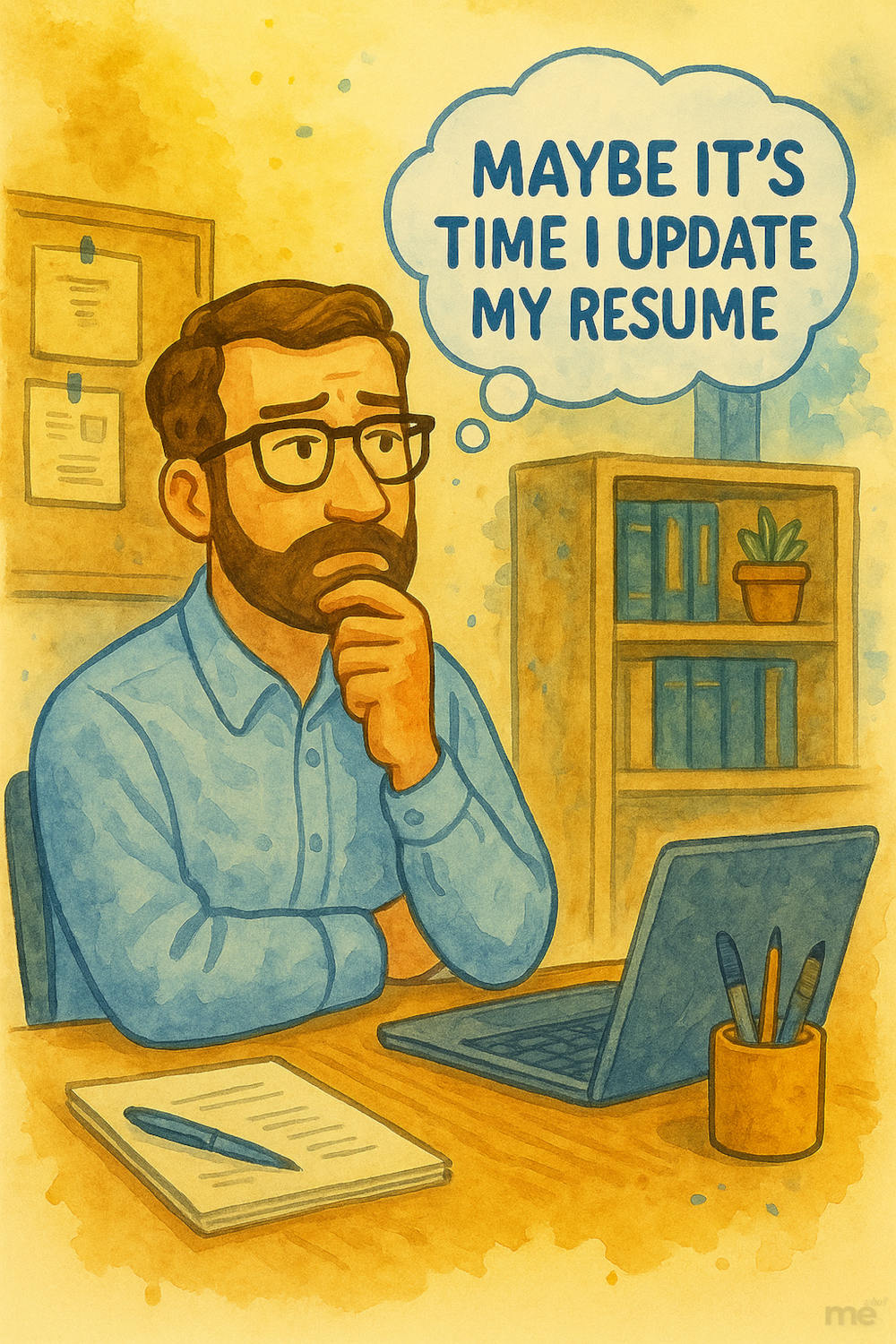
Now, this doesn’t mean you never quit anything. Sometimes walking away—from a role, a task, a relationship—is an act of self-respect. Trusting your need to make a change is not failure. It’s part of learning and growth.
Common Triggers That Feed the Failure Narrative
You may feel like you’re falling short, but that doesn’t necessarily mean the feeling reflects the full truth. Often, it comes from skewed feedback or misplaced expectations. Here are a few of the most common:
1. You’re Wired for Negativity
Human brains are built to notice what’s wrong. It’s called the negativity bias, and it’s a survival instinct. Thousands of years ago, noticing danger—a rustle in the grass, a challenge from a rival—could save your life.
In today’s workplace, this instinct often backfires. You might pitch ten ideas in a meeting, get approval on nine, and one gets shut down. Which one do you think about all day?
To combat this, practice balance. Make a habit of noticing your wins, even the small ones. Jot down moments that went well. These little moments help your brain build a more complete (and more accurate) picture of your impact.
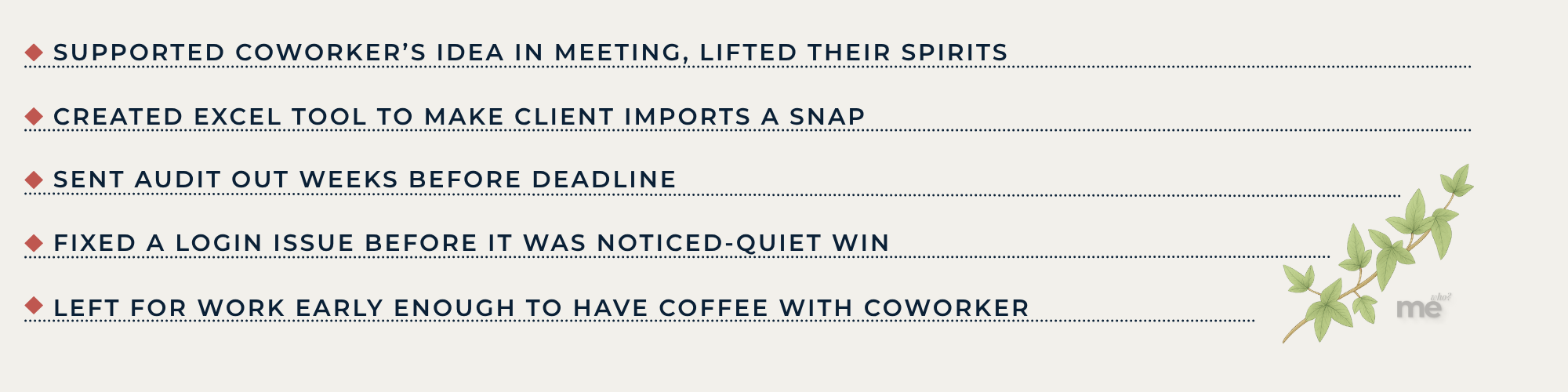
2. You’re Defining Success by the Wrong Metrics
We often pin our self-worth to external outcomes: a promotion, a compliment, a performance review. Sometimes, success doesn’t show up on schedule, and it can feel like you were set up for failure at work. It might be delayed by company priorities or budget shifts. Or it may not come in the form you imagined.
That doesn’t mean you’re failing. It means the outcome isn’t the whole story. If you want to stay steady during uncertain seasons, define success by who you are becoming—not by titles, timelines, or performance reviews.
Here’s what to focus on instead:
- Be resilient. Stick with your values and your goals, even when the path isn’t clear.
- Let failure make you curious. Come back with fresh insight.
- Adapt when something isn’t working.
The more you root your identity in the person you’re becoming, the less power you give to metrics you can’t control. That’s where real confidence comes from.
3. You Equate Silence with Rejection
If you thrive on verbal affirmation or consistent feedback, silence can feel like rejection. It can quickly spiral into self-doubt: Was my idea stupid? Did I mess this up?
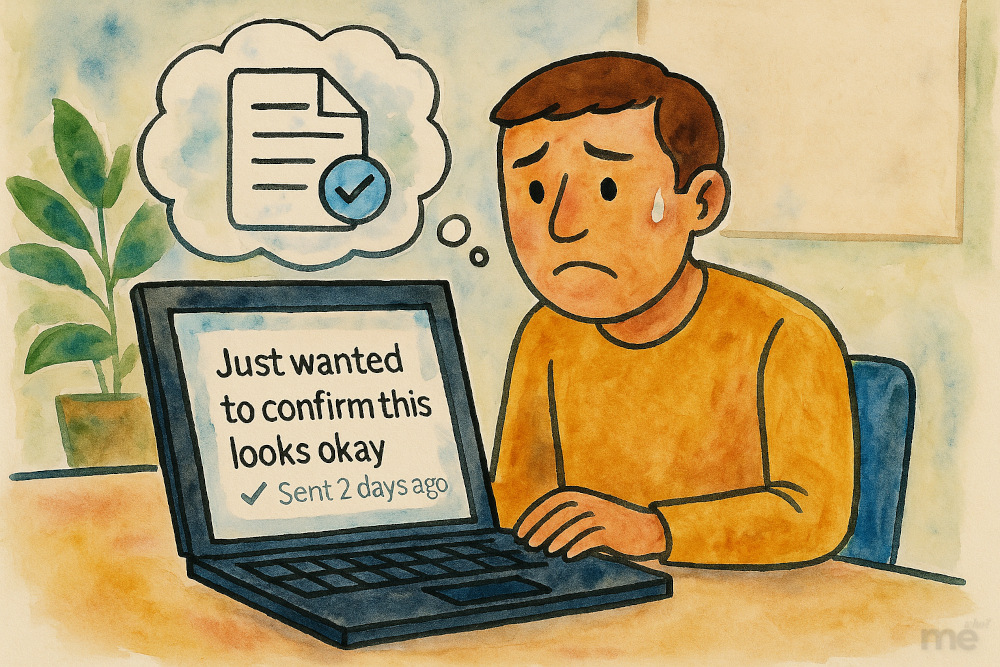
Often, silence just means people are busy. It might even mean you did your job well enough that no one needs to follow up. If something’s wrong, someone else can bring it up.
Don’t let your inner critic speak for your colleagues. Let silence mean what it actually means: nothing.
How to Reframe the Story (Without Just “Thinking Positive”)
If you’ve ever questioned how to move forward when self-doubt creeps in, you’re not alone. You don’t need to label yourself a success or a failure. The truth lives in the nuance. Every successful person you admire has fallen short many times.
Failure only becomes permanent when you let it define your identity. As long as you keep growing, you’re not failing. You are building resilience, self-awareness, and momentum.
This mindset shift matters more than you think. Without it, even a long list of accomplishments can feel hollow. You may still find yourself asking, when will it feel like enough? That’s the trap of high achievement. It’s worth reframing now—before the results arrive.
Redefining Failure on Your Own Terms
If you respond to setbacks with curiosity, reflection, and the will to continue, you’re already winning. You’re not failing. You’re becoming someone resilient. If you’ve ever wondered what to do when you feel like a failure, this is your answer.
Let others fear failure. You’re learning to walk through it and come out stronger.
Success and failure in work are two sides of the same imaginary coin. You can’t have one without the other. They define each other, shape each other, and make each other meaningful. The more willing you are to hold both, the more resilient and self-trusting you become.
The only way you really fail is if you stop flipping the coin
Define success by sticking with it. If you measure it by the values you live out, and the goals you pursue despite obstacles, then failure isn’t some outside force to avoid; it becomes part of the process.
Conclusion
Don’t get stuck in outdated models of success and failure. If you feel like a failure at work, it might be because the definition of success you’ve been using was never yours to begin with.
You’re allowed to feel this way—but you don’t have to stay here. Rewrite your definition of success, and you’ll reshape the story of who you’re becoming.
Still Doubting Yourself?
If these doubts run deeper—if you still feel like a fraud, even when you’re giving it your all—our guide on Imposter Syndrome at Work can help you reframe the belief that says you’ll never be enough.
2wf7eb
q9bhxk
70n6o4